
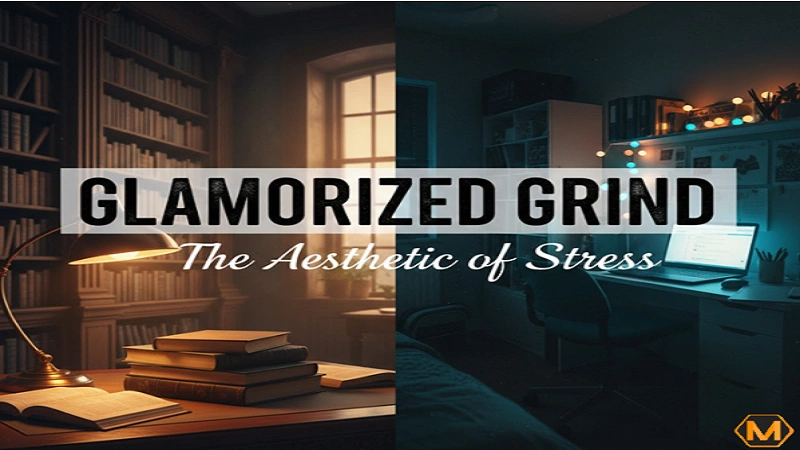
We’ve all been there, curled up on the couch, laptop ignored, watching a fictional 17-year-old on Netflix solve a murder mystery, lead a secret society, and still somehow maintain a 4.0 GPA. Whether it’s the intense halls of Las Encinas in Elite or the gothic, high-stakes environment of Nevermore Academy in Wednesday, modern teen dramas have moved far beyond simple prom-night jitters. In 2026, the “student experience” on screen has become a pressure cooker of impossible expectations. We aren’t just watching shows anymore; we are watching a distorted reflection of our own academic anxieties, dressed up in designer uniforms and neon lighting.
The problem is that these shows often glamorize the “all-nighter” culture, making burnout look like a chic aesthetic rather than a health hazard. While watching characters juggle complex social hierarchies and world-ending threats, real students often feel the sting of comparison when they can’t even find the energy to finish a simple math worksheet. This is where the gap between fiction and reality starts to hurt. Many students realize that they don’t have a “main character” script to save them from a failing grade, which is why finding an online assignment solution from a reliable brand like myassignmenthelp has become a common strategy for those trying to survive the real-world version of these high-pressure scenarios.
The Evolution of the “TV Student” (2010 vs. 2026)
To understand why we feel so much pressure today, we have to look at how Netflix has changed the “Student Persona.” A decade ago, the “nerd” was a sidekick. Today, the “overachiever” is the lead.
| Feature | 2010s Teen Dramas (e.g., Gossip Girl) | 2026 Teen Dramas (e.g., Adolescence) |
| Primary Goal | Popularity and Social Status | Academic Validation and Career Power |
| Study Habits | Barely seen on screen | Montage of espresso, laptops, and libraries |
| Conflict | Who is dating whom? | Will I get into the Ivy League? |
| Vibe | Luxury and Shopping | Dark Academia and Mystery |
The Rise of the “Genius” Trope
Have you noticed that every new Netflix protagonist is now a literal prodigy? From the hyper-intelligence of characters in Heartbreak High to the sophisticated research skills shown in A Good Girl’s Guide to Murder, there is a growing trend of “genius-core” content. This trope suggests that to be interesting, a student must also be academically superior. It creates a silent standard where being “average” feels like a failure.
In reality, most of us aren’t solving cold cases between classes; we’re just trying to figure out how to cite a bibliography correctly. The “Genius” trope ignores the hundreds of hours of mundane reading and trial-and-error that real learning requires. When we see a character write a brilliant 20-page paper in a single night while also taking down a villain, it sets a dangerous precedent for our own productivity expectations.
The “Aesthetic” of Stress: Dark Academia and Beyond
Then there is the “Dark Academia” trend. It’s all over our feeds—brown blazers, old libraries, and the romanticization of being constantly exhausted. Shows like Young Royals show us that even princes have to deal with the crushing weight of exams and legacy. This aesthetic makes the struggle look beautiful, but it ignores the messy reality of red-rimmed eyes and the desperate need for a nap.
When your life doesn’t look like a curated Pinterest board during finals week, it’s easy to feel like you’re doing it wrong. We’ve turned the “grind” into a fashion statement. But you can’t “aesthetic” your way out of a 3,000-word essay on sociological theory when you have three other deadlines looming.
Breaking the Silence on Mental Health
One thing Netflix has actually gotten right lately is the honest portrayal of how academic pressure affects mental health. Newer seasons of shows like Adolescence dive deep into how the fear of failure can lead to genuine isolation. We see characters breaking down not because they aren’t smart, but because the volume of work is simply too much for one person to handle.
This has sparked a global conversation among 12th graders about the importance of asking for help. Sometimes, the most “main character” thing you can do is admit you can’t do it all alone, especially when you need specialized humanities assignment help to get through a particularly dense history or literature project.
Why Humanities Students are Feeling the Burn
While STEM (Science, Technology, Engineering, and Math) often gets the spotlight for being “hard,” the 2026 Netflix wave has shown that Humanities subjects carry a different kind of weight. Analyzing the socio-political themes of a 19th-century novel while navigating 21st-century social media is exhausting. The mental energy required to synthesize complex human emotions into a thesis is immense, and it is exactly where many students hit a wall.
The “Gifted Kid Burnout” Phenomenon
Many of these shows center on the “formerly gifted kid.” This is a character who was told they were a genius at age 10 and now, at age 17, is paralyzed by the fear of being “normal.”
- Procrastination: Not because they are lazy, but because they are terrified the result won’t be perfect.
- Imposter Syndrome: Feeling like they don’t belong in their advanced classes despite having the grades.
- Social Withdrawal: Sacrificing friendships to maintain a specific academic image.
These aren’t just plot points; they are real symptoms being reported by students worldwide in 2026. Netflix acts as a mirror, showing us the cracks in our educational systems through the lens of high-drama entertainment.
How to Reclaim Your Narrative (Practical Tips)
If you are feeling like a background character in your own academic life, it’s time to switch gears. You don’t need a Netflix budget to manage your stress. Here is how real students are surviving the 2026 academic season:
- Set “Micro-Goals”: Don’t look at the whole dissertation. Look at the next 200 words.
- The 50/10 Rule: Study for 50 minutes, then completely unplug for 10. No phone, no Netflix, just breathing.
- Audit Your Content: If watching Elite makes you feel bad about your own life, switch to a comedy. Your brain needs “palate cleansers.”
- Use Professional Tools: High-achieving people (including celebrities and CEOs) don’t do everything themselves. They delegate. Using academic support services isn’t “cheating”—it’s project management.
The Global Perspective: Why This Matters to You
Whether you are in London, Mumbai, New York, or Sydney, the pressure to perform is a universal language. The “Global Tone” of 2026 education is one of high competition but also high connectivity. We are the first generation that can see exactly how students on the other side of the planet are studying. While that connectivity is great for sharing notes, it’s also intensified the feeling that we are constantly being ranked.
Summary of Survival Strategies
| Category | The “Netflix” Way (Avoid) | The “Human” Way (Do This) |
| Deadline Prep | All-nighter with 5 energy drinks | Incremental work over 2 weeks |
| Research | Finding a secret diary in a hidden room | Using verified databases and expert help |
| Mental Health | A dramatic rainy monologue | Talking to a counselor or using a support app |
| Goal Setting | “I must be the best in the country.” | “I must understand this specific topic today.” |
Why We Need to Rewrite the Narrative
As we move further into 2026, it’s time to stop letting TV shows define what “success” looks like. The reality of being a student today involves a lot more than what fits into a 45-minute episode. It involves grit, messy desks, and the wisdom to use the tools available to you.
There is a strange comfort in watching characters struggle on screen, but that comfort should lead to action, not more anxiety. By recognizing that the “perfect” TV student is a myth, we can finally take the pressure off ourselves. Your value is not determined by how well you fit into a fictional trope. It is determined by your curiosity, your resilience, and your ability to ask for support when the workload becomes a mountain.
Netflix might give us the drama, but we have to live the reality. Take a breath, close the tab on that show for an hour, and focus on one small thing you can control today. Whether that’s organizing your notes or finally reaching out for that essay help you’ve been considering, every small step is a win.
Frequently Asked Questions
Why does modern media often make academic stress look “aesthetic”?
Shows often use stylized cinematography—like moody lighting and cozy library settings—to create a visually appealing atmosphere. This “Dark Academia” vibe romanticizes the struggle, making long hours of study feel like a fashionable lifestyle choice rather than a source of potential burnout.
Is the “genius” student trope realistic for most people?
Rarely. While TV characters often solve complex mysteries while maintaining perfect grades, real-world success requires consistent effort, trial and error, and significant time management. The “effortless brilliance” seen on screen is a dramatic tool used to move plots forward quickly.
How can I tell if my study habits are becoming unhealthy?
Warning signs include persistent fatigue, losing interest in hobbies you once loved, and feeling anxious when you aren’t working. If “romanticizing” your education leads to chronic sleep deprivation or isolation, it is likely time to reassess your balance.
Can watching these dramas actually help with school stress?
It can be a double-edged sword. While it’s comforting to see your struggles reflected on screen, it can also lead to “upward social comparison,” where you feel inadequate for not matching a fictional character’s productivity. Use these shows for relaxation rather than as a blueprint for your own life. See more